


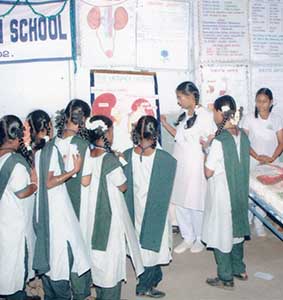
Sustainable Living in Schools: Nurturing Responsible Stewards of the Earth
Introduction:
In the wake of growing environmental concerns, it has become imperative for educational institutions to embrace sustainable living practices. Schools play a crucial role in shaping the mindset and behaviors of future generations, making it essential to create a sustainable learning environment. This blog explores the significance of sustainable living in schools and highlights various initiatives that can be implemented to foster a culture of environmental consciousness among students.
1. Understanding Sustainable Living:
Sustainable living encompasses a way of life that minimizes ecological impact, promotes resource conservation, and supports the well-being of both present and future generations. By incorporating sustainable practices into schools, we instill vital values of environmental responsibility, empathy, and conscious decision-making in students. This holistic approach extends beyond the curriculum and empowers students to become agents of positive change.
2. Green Infrastructure:
Creating sustainable schools starts with building green infrastructure. This includes designing energy-efficient buildings, utilizing renewable energy sources, and implementing water and waste management systems. Integrating natural elements such as gardens and green spaces enhances air quality, biodiversity, and provides opportunities for hands-on learning about ecology.
3. Waste Management and Recycling:
Incorporating effective waste management practices within school premises promotes a circular economy and reduces the environmental impact. Schools can establish recycling programs, composting initiatives, and educate students about waste reduction strategies. By actively involving students in these activities, we foster a sense of responsibility and instill habits of waste reduction and proper disposal.
4. Sustainable Transportation:
Encouraging sustainable transportation options, such as walking, cycling, or carpooling, reduces carbon emissions and promotes physical activity. Schools can promote alternative modes of transportation through awareness campaigns, providing safe bicycle parking areas, and organizing initiatives like "Walking School Buses." These efforts not only contribute to environmental sustainability but also enhance students' health and well-being.
5. Environmental Education and Curriculum Integration:
Integrating environmental education into the curriculum empowers students to understand and appreciate the interconnectedness of environmental issues. Schools can offer dedicated environmental science courses, organize field trips to ecological sites, and infuse sustainability concepts into various subjects. Engaging students in real-world projects, such as community gardens or environmental research, fosters a deeper connection to nature and encourages critical thinking about sustainable practices.
6. Sustainable Food Practices:
Promoting sustainable food practices in schools involves incorporating nutritious and locally sourced meals, reducing food waste, and educating students about the importance of sustainable agriculture. Schools can establish vegetable gardens, organize farm-to-school programs, and engage students in cooking classes that emphasize healthy and sustainable food choices. By fostering a connection to the food system, students develop an understanding of sustainable consumption patterns.
7. Student Empowerment and Engagement:
Student-Led Sustainability Clubs and Projects: Schools can establish student-led sustainability clubs or groups dedicated to promoting sustainable practices and raising awareness about environmental issues. These clubs provide a platform for students to collaborate, brainstorm ideas, and implement sustainability projects within the school community. Whether it's organizing recycling campaigns, conducting energy audits, or initiating waste reduction programs, student-led initiatives empower students to take action and make a tangible difference. By providing guidance and resources, schools can encourage students to develop leadership skills, critical thinking abilities, and a deeper understanding of sustainability.
Environmental Campaigns and Awareness Programs: Engaging students in environmental campaigns and awareness programs is an effective way to foster sustainability consciousness. Schools can organize events such as Earth Day celebrations, sustainability fairs, or guest speaker sessions on environmental topics. These activities create opportunities for students to learn from experts, engage in discussions, and share their ideas and perspectives. By actively involving students in planning and organizing these events, schools instill a sense of responsibility and ownership in raising awareness about sustainable practices. Such initiatives also enhance students' communication skills, teamwork abilities, and their ability to advocate for sustainable living within their peer groups and wider communities.
Conclusion:
Embracing sustainable living practices in schools not only benefits the environment but also cultivates essential values and skills in students. By integrating sustainability into the fabric of education, we equip future generations with the knowledge, mindset, and tools to become responsible stewards of the Earth. Sustainable schools serve as role models, inspiring students, families, and communities to adopt eco-friendly practices in their everyday lives. Together, we can create a brighter and more sustainable future for all.